So, you are an aerobic or fitness instructor and you have a Trantec wireless microphone system with a broken headset. You’re looking to buy a new one, but unsure what all the options and model numbers mean. In this post, we’ll break these down, so you are fully confident in your selection.
Trantec are an extremely popular brand for wireless microphones in the fitness market and their headset microphones are some of the most popular products out there. Fundamentally, there are two different versions of the microphone, and these have model numbers HM33 and HM66, with the HM standing for headset microphone and the 33 or 66 relating to moisture resistance.
The HM33 is the standard microphone and is ideal for general purpose use in dry environments, such as lecture halls, theatres, transportation, restaurants, or warehouses. It’s not best suited to environments where it could be exposed to moisture such as sweat or high humidity. Also, as the saying goes, it’s available in any colour as long as it’s black!
The HM66 is a significant step up owing to a few distinctive features over the HM33. Firstly, the HM66 offers a high degree of protection against the ingress of moisture. This does not make it waterproof however, it is just much more suited to the sweaty and humid conditions often associated with the world of highly active fitness classes. In addition to the moisture resistant construction, it also has a different microphone capsule. This offers far better noise reduction, which improves clarity and lets you achieve higher volume output with lower risk of feedback. It’s also available in multiple colours, but this isn’t just for aesthetic reasons.
The HM66 is available in black, yellow, and blue and it’s important to know that when we talk about colours, we don’t mean the entire headset. It only relates to the flexible boom, which is the stem, of the microphone. The colouring of the microphone boom isn’t just a gimmick either. Colours help identify microphones used in certain aerobic classes or by specific instructors who work with other instructors in larger sports centres or gyms.
As an example, the blue microphone could be used for spinning and the yellow microphone for body blast, or maybe the blue microphone belongs to instructor A and the yellow one belongs to instructor B. It’s worth considering these use cases while deciding on the preference. Then once those decisions are out of the way, it’s important to ensure the microphone you buy is compatible with the belt pack it plugs into.
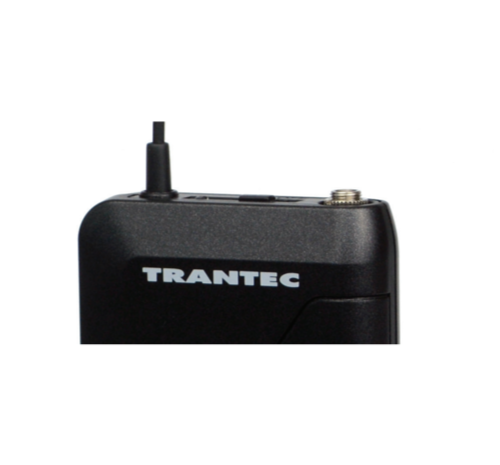
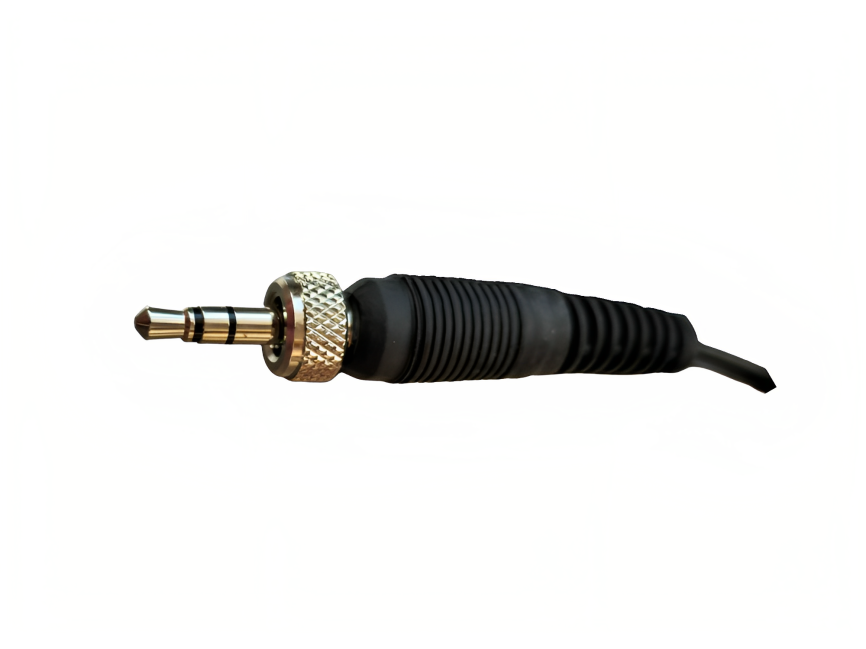
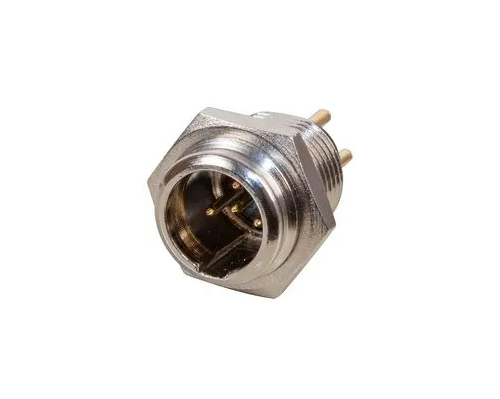
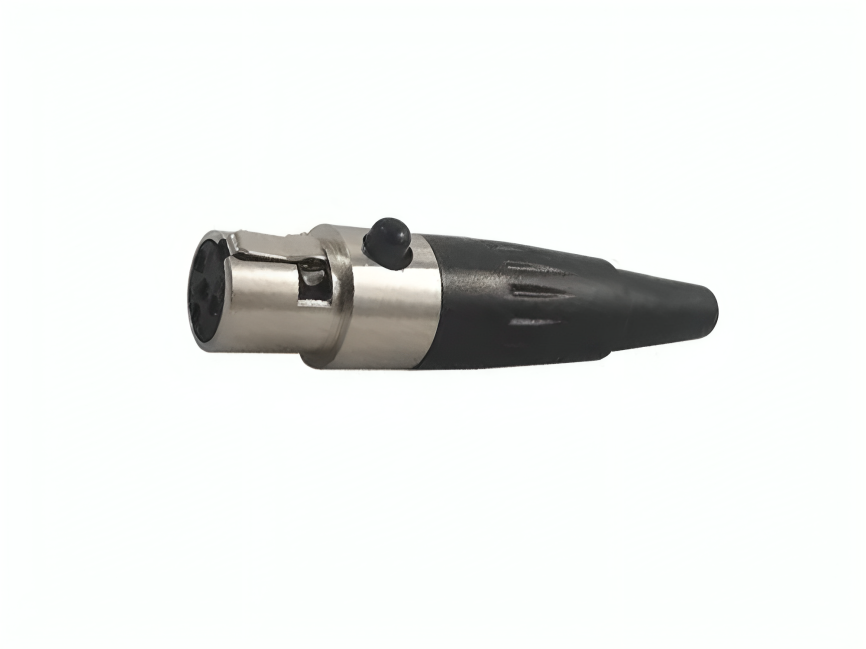
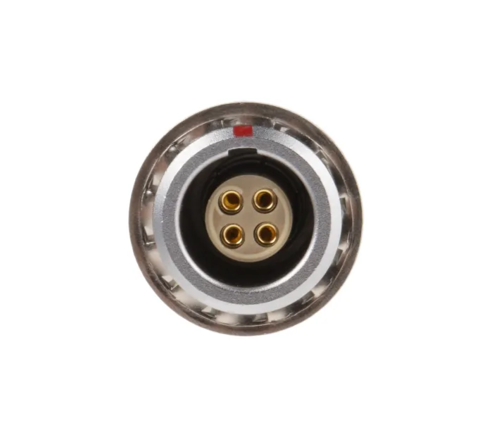
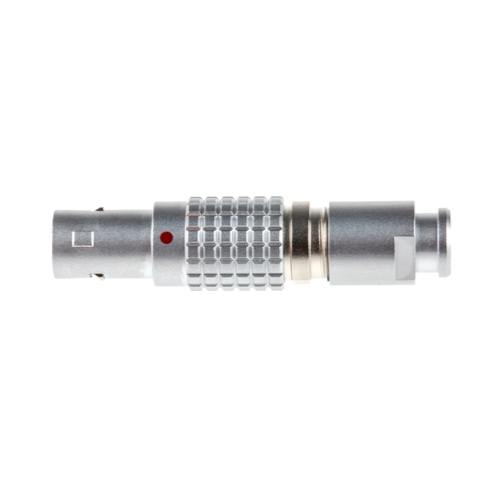
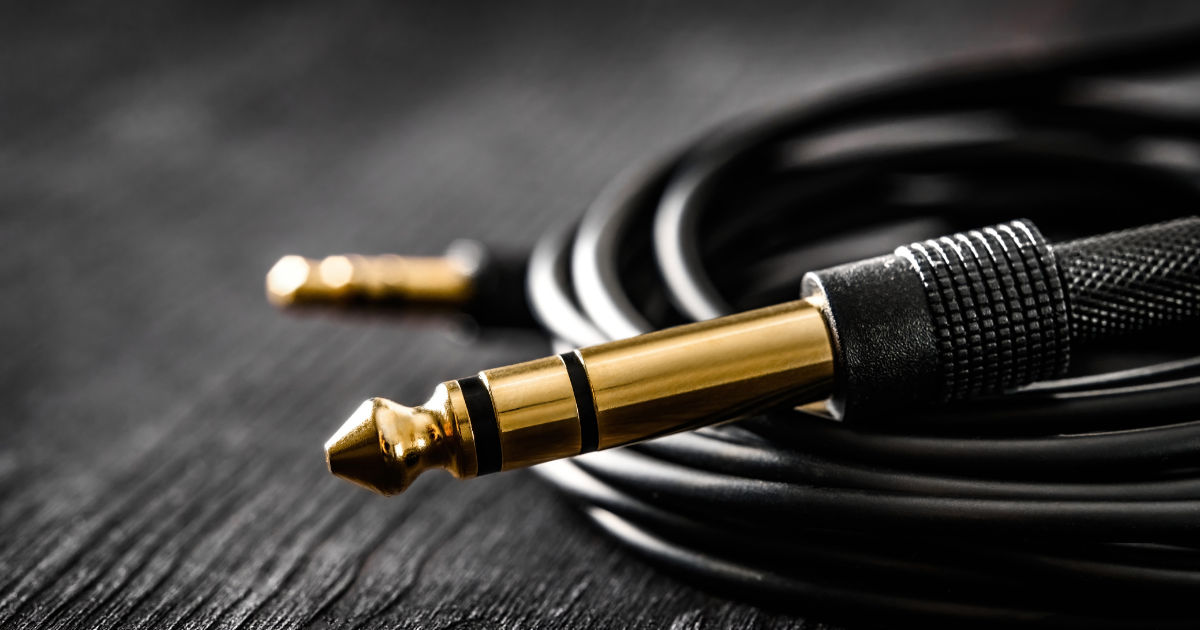
Both the HM33 and HM66 are available with different termination, or connector, types. These are referenced as suffixes in the product code with SJ, X and TS. If you are replacing the headset microphone, but not the belt pack, you should ensure the correct termination is chosen… An SJ connector, or stereo jack, is terminated with a familiar 3.5mm jack plug (see fig. 1), the X version terminates in a 4-pin XLR connector (see fig. 2), and the less common TS version has a Lemo connector fitted (see fig.3).